


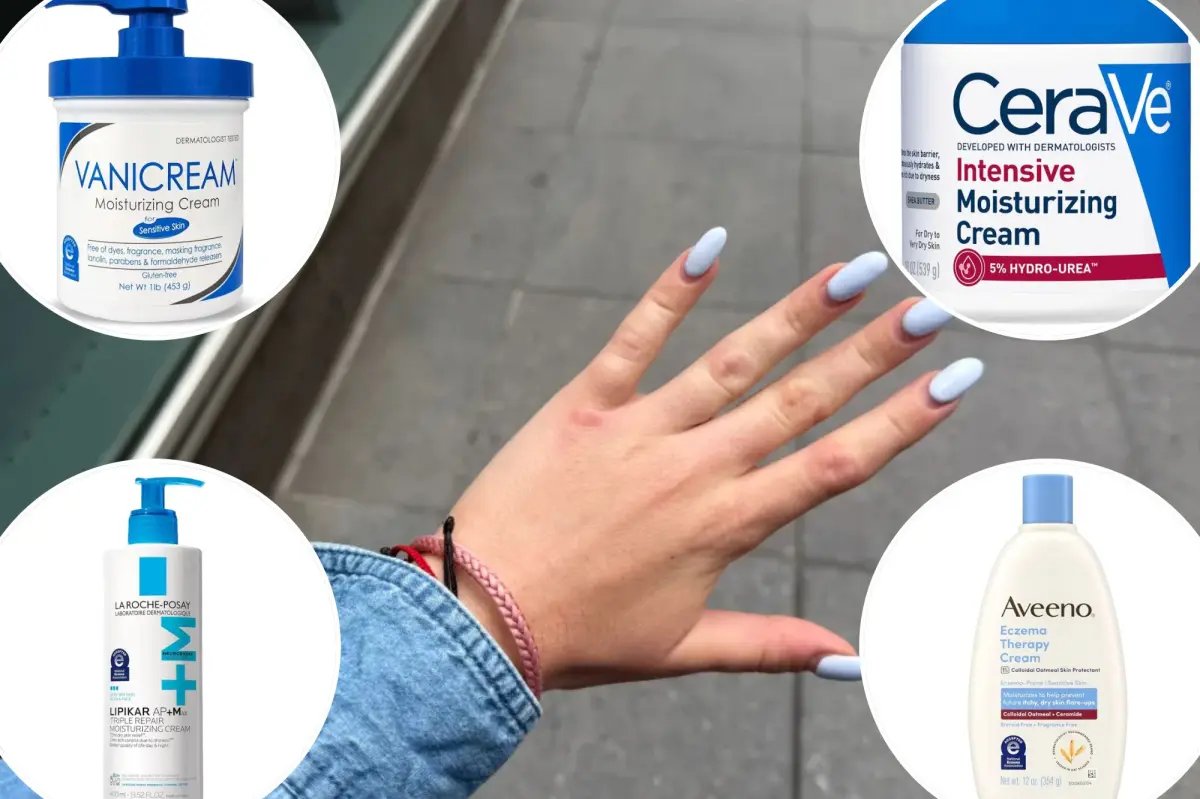
I’ve suffered from eczema for the past 10 years, so I decided to take matters into my own hands — literally.
I’ve tested dozens of hand creams and dermatologist lotions, worn cotton gloves to sleep and spent hundreds of dollars on doctor’s appointments to try to alleviate the issue. Nothing worked … until recently.
I started microneedling my hands with PRP in a desperate attempt to boost hydration, reduce some of the redness and finally look normal.

Is microneedling eczema safe?
According to Eric Nietzel, RN, founder of I Wanna Be Pretty, microneedling is usually a no-go for eczema, as you’re “introducing controlled trauma to skin that’s already inflamed and barrier-compromised.”
“This is an emerging, adjunctive approach for select patients, not a standard eczema treatment. Proper screening, including for any active skin infection, and expert technique are essential,” he clarified.
But why does microneedling with PRP work for eczema?
However, microneedling performed at a low setting and paired with PRP on the hands is very promising.
“PRP works by releasing growth factors from the patient’s own platelets, triggering a wound-healing cascade that helps the tissue regenerate rather than just inflame,” Nietzel explained. “Instead of only creating micro-injury, you’re delivering the growth factors and signaling proteins the body needs to repair.”
PRP, which stands for “platelet-rich plasma,” involves extracting a small amount of blood, then spinning it in a centrifuge to separate red and white blood cells from plasma and platelets, which contain your growth factors. Then, the “liquid gold” solution left over is rubbed directly onto the skin after microneedling to ensure deep absorption.
My results so far
My hands have always been my biggest insecurity. Since I was a teenager, I’ve always worried about what’s going to happen when I get engaged and want to show off my ring to friends and family. Now, thanks to a combination of medical intervention and strict post-procedure protocol, I feel like I’ll have nothing to hide.
Two out of four of my treatments have been completed, and I’m already seeing major results. Yes, the doctor is doing their job, but the care in between sessions is what’s really moving the needle (no pun intended): using a slew of moisturizers and serums to quench my skin.
Why is aftercare important?
“While the skin is still healing and the barrier is open, the goal is to replace lost lipids, seal in moisture, and avoid irritants,” Nietzel said. “I like ceramides (the skin’s own barrier lipids, which eczema-prone skin is deficient in), shea butter (an emollient that locks in moisture), humectants like glycerin and hyaluronic acid, and ideally colloidal oatmeal for its anti-inflammatory properties.”
During active healing, the cosmetic injector urges patients to avoid fragrance, essential oils and strong actives like retinoids. Plus, sunscreen is key.
Here are some expert-approved skincare products that provide instant moisture for those seeking eczema treatment.

This formula is a number-one, dermatologist-recommended solution for the most sensitive skin types. It can be used on the hands, feet, face and body.
“About as low-allergen as it gets; free of fragrance, dyes, lanolin and parabens,” Nietzel emphasized.

Lock in hydration for up to 72 hours with this mega moisturizer, formulated with three essential ceramides, 5% Hydro-Urea and shea butter.
“[It contains] ceramides plus hyaluronic acid, and it’s accepted by the National Eczema Association,” said Nietzel.

Quench your dry skin and lock in hydration for up to 48 hours. This body and face cream not only replenishes essential lipids but prevents itching as it restores a smooth skin texture.
Nietzel also shouted out the product’s key ingredients: ceramide-3, shea butter and niacinamide.

Specially formulated for people with eczema, this lotion uses colloidal oatmeal and ceramide to soothe and prevent dry, itchy flare-ups.
“An easy, credible daily option to calm and hydrate,” according to Nietzel.

Nietzel recommends mineral-only sunscreen after treatment to protect the skin from UV damage and inflammation.
“Zinc and titanium-based filters sit on top of the skin and are far less likely to sting healing eczema than chemical sunscreens,” he explained.

This ultra-nourishing solution protects dry, calloused hands from getting further irritated.
“A nice daily maintenance option to keep hands soft and the barrier intact between flares,” Nietzel added. “It’s rich and fast-absorbing.”
Since this product is not fragrance-free, the aesthetician recommends patch-testing first on a small area, particularly for those with sensitive skin.
What causes eczema?
According to Cleveland Clinic, eczema can be caused by a variety of factors, including genetics. Most cases are triggered by allergens in the environment, including exposure to smoke, air pollutants, harsh soaps and wool fabrics.
Eczema vs. psoriasis?
Although both are chronic, inflammatory skin conditions, there are key differences. Per WebMD, eczema is typically itchier and found in the folds of your skin, such as in your elbows or behind your knees, while psoriasis causes thicker, dryer scales.
What does eczema look like?
The appearance of eczema varies depending on skin type and tone, but it typically shows up as a red, inflamed rash on a concentrated area. It can be dry, itchy, flaky, bumpy or crusty, says WebMD.
How do I treat eczema?
Beyond microneedling, you can kickstart recovery by prioritizing moisture and avoiding triggers like dust, dry air, pollen and sunburn. The American Academy of Dermatology Association also advises limiting shower time to 5-10 minutes; wearing loose, cotton clothing; and covering your skin with gloves or a scarf if you anticipate being in a cold environment.
For over 200 years, the New York Post has been America’s go-to source for bold news, engaging stories, in-depth reporting, and now, insightful shopping guidance. We’re not just thorough reporters – we sift through mountains of information, test and compare products, and consult experts on any topics we aren’t already schooled specialists in to deliver useful, realistic product recommendations based on our extensive and hands-on analysis. Here at The Post, we’re known for being brutally honest – we clearly label partnership content, and whether we receive anything from affiliate links, so you always know where we stand. We routinely update content to reflect current research and expert advice, provide context (and wit) and ensure our links work. Please note that deals can expire, and all prices are subject to change.
Looking for a headline-worthy haul? Keep shopping Post Wanted.
