


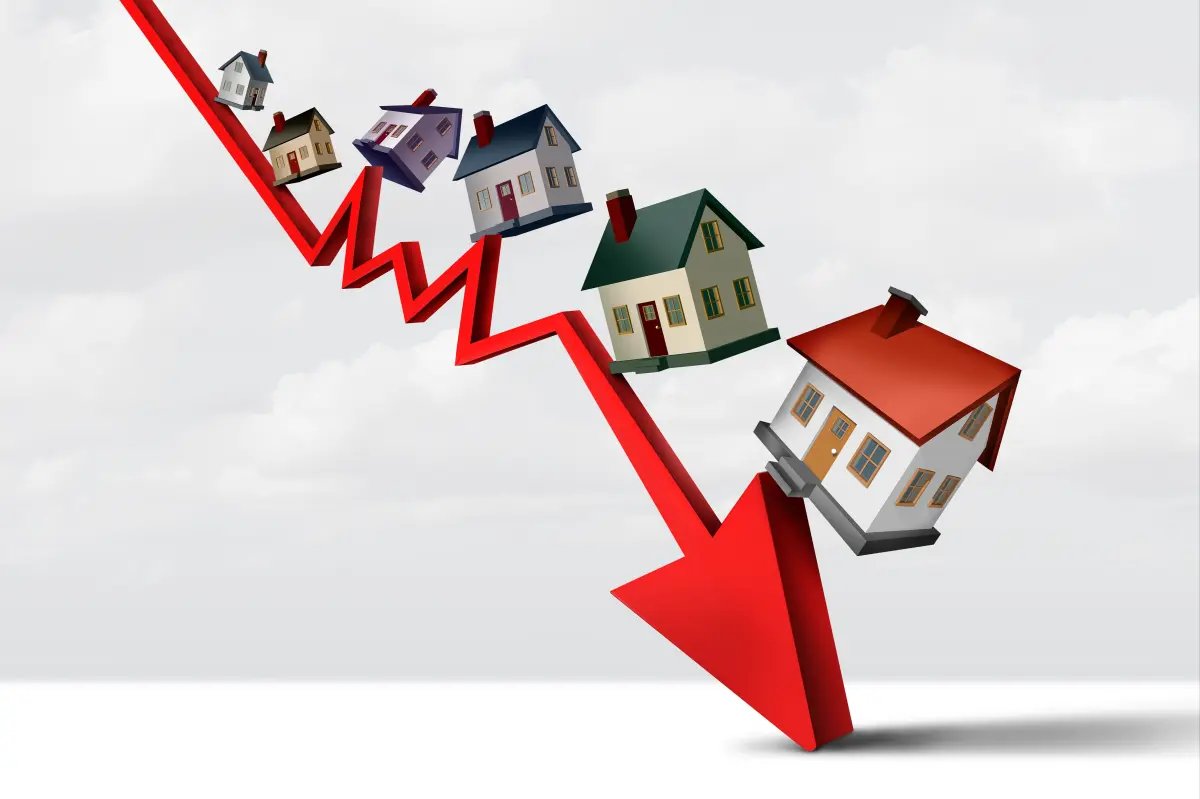

Mortgage rates defied expectations by ticking down slightly this week, even as the latest inflation data revealed that surging oil prices resulting from the ongoing war in the Middle East have now bled into the costs of other goods and services.
The average rate on 30-year fixed home loans retreated to 6.36% for the week ending May 14, down 1 basis point from 6.37% the week before, according to Freddie Mac. For perspective, rates averaged 6.81% during the same period in 2025.
“Mortgage rates ticked down this week, averaging 6.36%,” says Sam Khater, Freddie Mac’s chief economist. “While purchase demand is softening, it remains above this time last year. Recent data also shows existing-home sales modestly edging up.”
The U.S. Labor Department’s consumer price index (CPI) readout released on Tuesday showed that inflation increased by 3.8% in the 12 months through April to its highest level in three years, fueled by the surge in oil prices stemming from the closure of the Strait of Hormuz in Iran.
Despite the yield on the 10-year Treasury note ticking up this week on expectations that price pressures would continue to creep from crude oil into other sectors of the economy, Realtor.com senior economist Joel Berner says mortgage rates stabilized as oil prices steadied and, more importantly, as demand for mortgage-backed securities edged up.
“The upward pressure on mortgage rates from the broader debt market was offset this week by a modest increase in the prices of mortgage-backed securities, which pushed mortgage rates down,” explains Berner.
Though the mortgage rate relief is very modest, Berner notes that this week’s readout is a sign of some much-wanted stability.
“The Freddie Mac rate has been moving in large swings up and down since the onset of the war in Iran, and the whiplash’s effect on buyers has been to keep them sidelined,” adds the economist. “This is part of the reason why home sales have been stagnant so far in 2026, notching only marginal improvements over the 30-year low of the 2025 housing market.”
Uncertainty has ruled the market for months, and while buyers certainly wish rates were back in the 5% territory seen earlier this year, they are still significantly lower than they were last year at this time.
“The spring homebuying season should be a great opportunity for buyers, with inventory up and prices down, so it remains to be seen whether they will capitalize on this period of steady rates,” says Berner.
How mortgage rates are calculated
Mortgage rates are determined by a delicate calculus that factors in the state of the economy and an individual’s financial health. They are most closely linked to the 10-year Treasury bond yield, which reflects broader market trends like economic growth and inflation expectations. Lenders reference this benchmark before adding their own margin to cover operational costs, risks, and profit.
When the economy flashes warning signs of rising inflation, Treasury yields typically increase, prompting mortgage rates to increase. Conversely, signs of falling inflation or weakness in the labor market usually send Treasury yields lower, causing mortgage rates to fall.
The mortgage rates you’re offered by a lender, however, go beyond these benchmarks and take some of your personal factors into account.
Your lender will closely scrutinize your financial health—including your credit score, loan amount, property type, size of down payment, and loan term—to determine your risk. Those with stronger financial profiles are deemed as lower risk and typically receive lower rates, while borrowers perceived as higher risk get higher rates.
How your credit score affects your mortgage
Your credit score plays a role when you apply for a mortgage. A credit score will determine whether you qualify for a mortgage and the interest rate you’ll receive. The higher the credit score, the lower the interest rate you’ll qualify for.
The credit score you need will vary depending on the type of loan. A score of 620 is a “fair” rating. However, people applying for a Federal Housing Administration loan might be able to get approved with a credit score of 500, which is considered a low score.
Homebuyers with credit scores of 740 or higher are typically considered to be in very good standing and can usually qualify for better rates, which can reduce monthly payments.
Different types of mortgage loan programs have their own minimum credit score requirements. Some lenders have stricter criteria when evaluating whether to approve a loan. Ultimately, they want to make sure you’re able to pay back the loan.
